Français
 Deutsch
 Italiano
- -CHF600.00
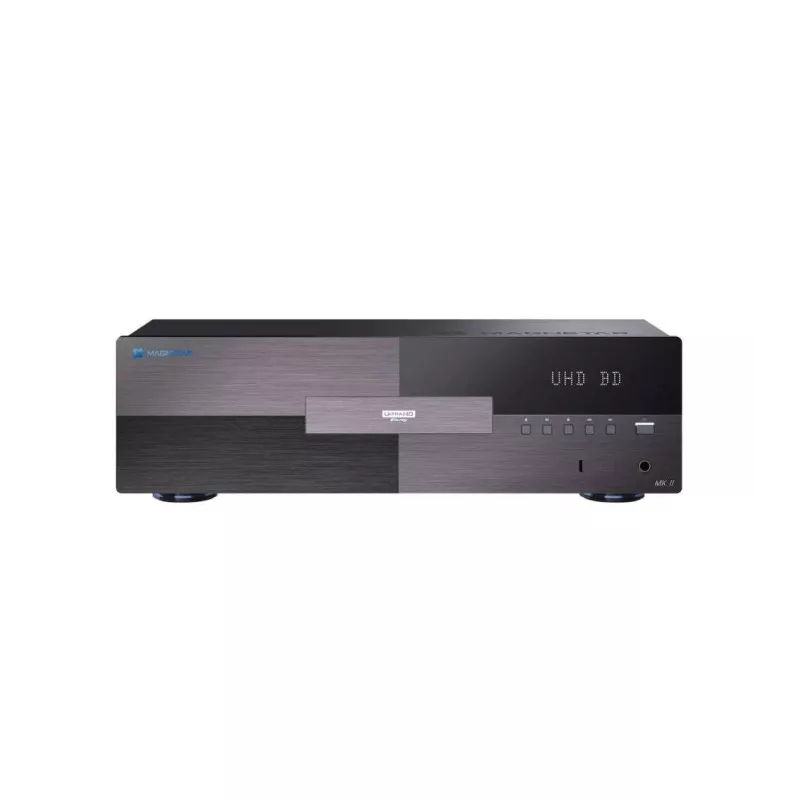
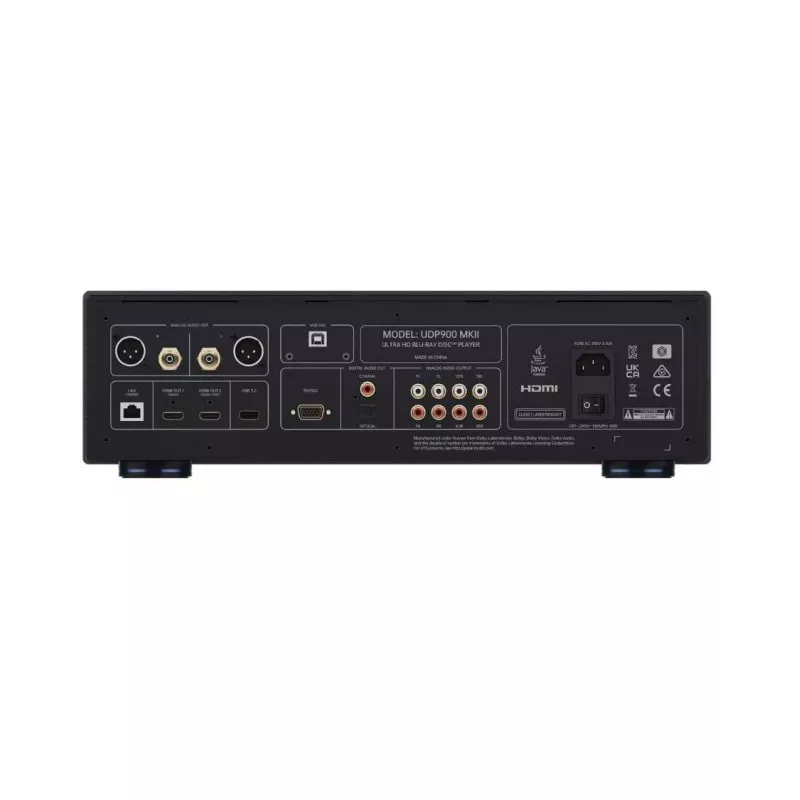
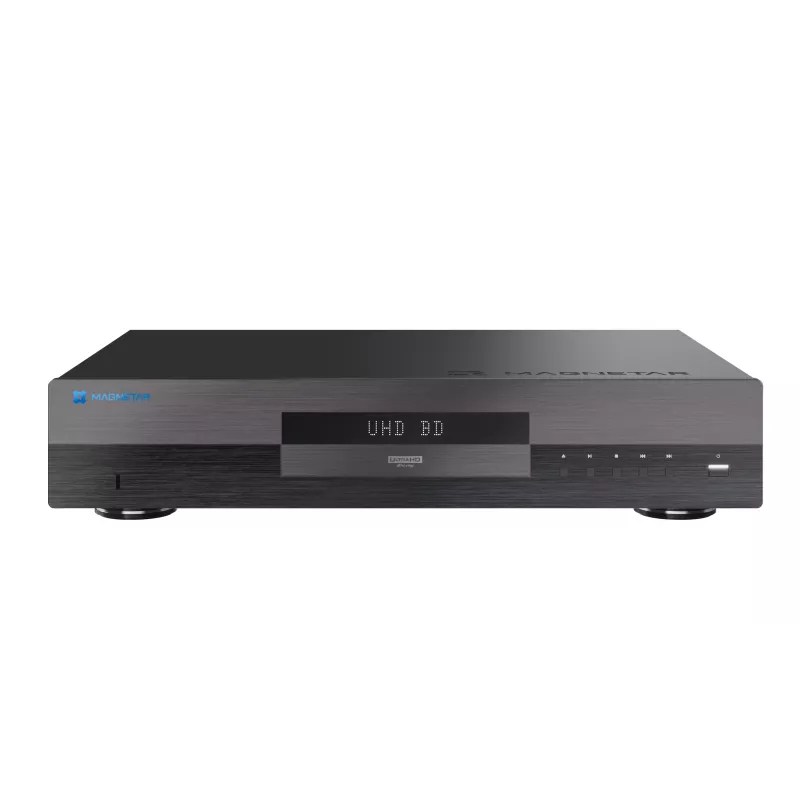
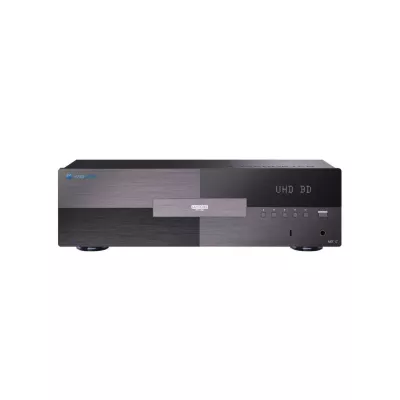
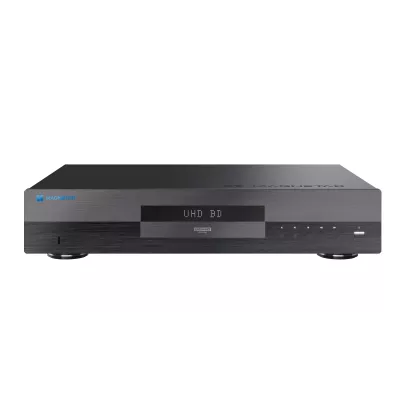
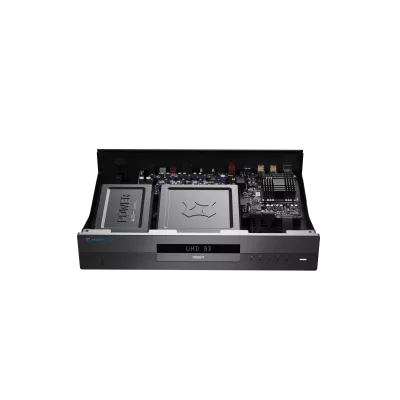

The Magnetar UDP900 is a universal 4K UHD Blu-ray and SACD player with dual ESS conversion (ES9038PRO stereo, ES9028PRO 7.1). All-aluminium chassis, balanced XLR and 7.1 outputs, network and USB playback for high-resolution picture and sound.

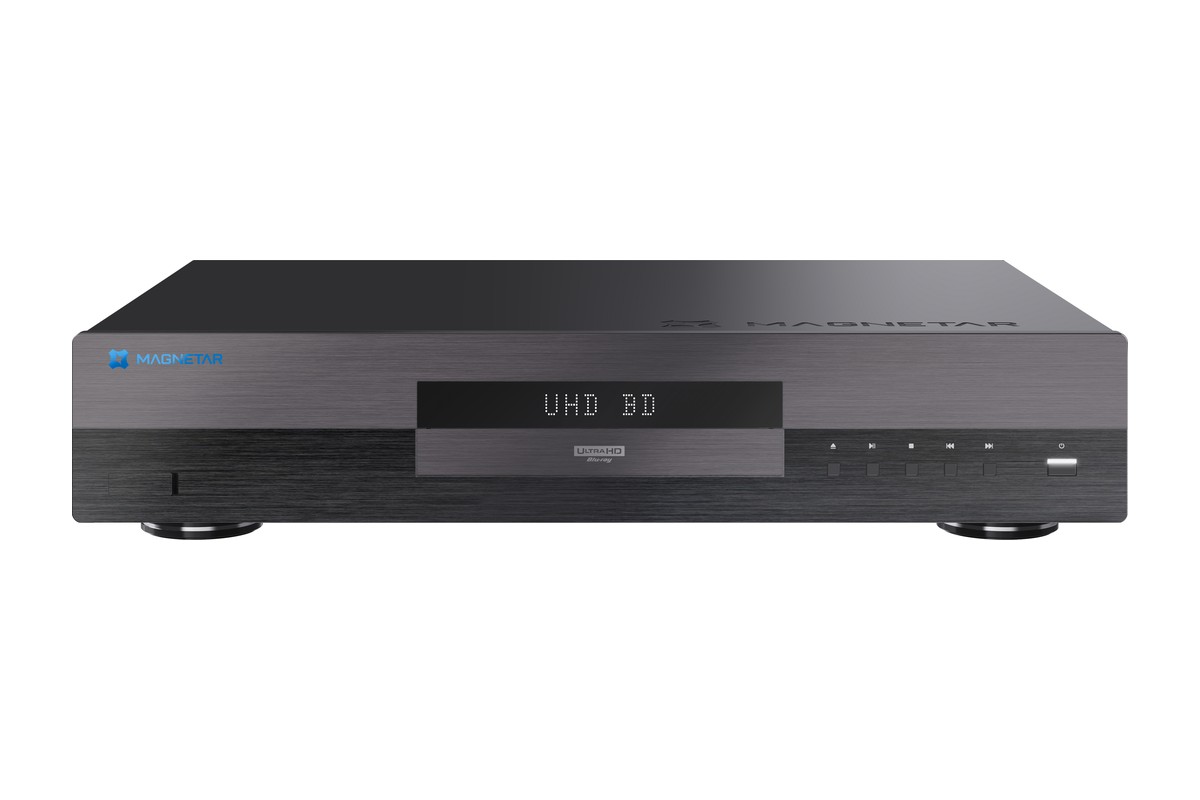
The Magnetar UDP900 plays nearly every physical disc format: UHD Blu-ray, Blu-ray, Blu-ray 3D, DVD-Video, DVD-Audio, SACD and CD, as well as recordable media (BD-R/RE, DVD plus/minus R/RW). It supports Dolby Vision and HDR10+ for a contrasted, faithful 4K picture. Beyond discs, it plays your files over USB 3.0 with hard drives up to 16 TB, and across the network via DLNA, SMB or NFS. Formats such as MKV, MP4, WAV, FLAC, APE and DSD are all supported.
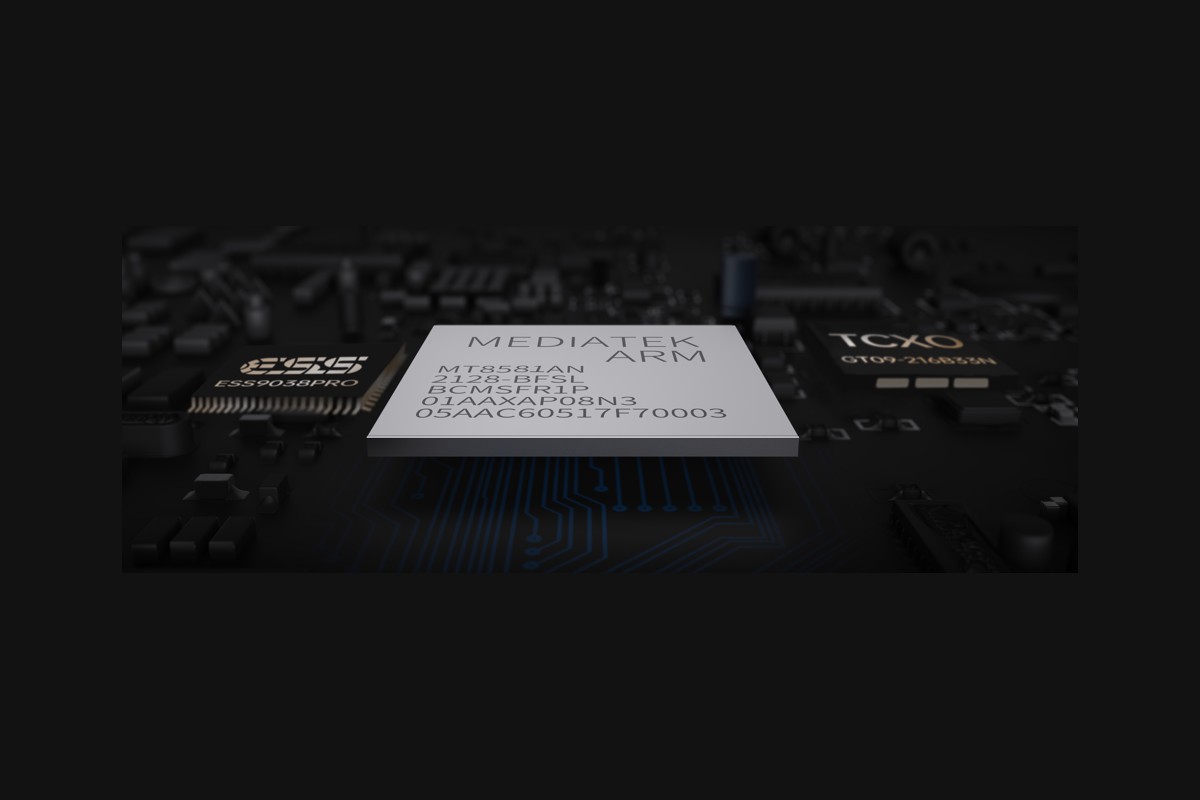
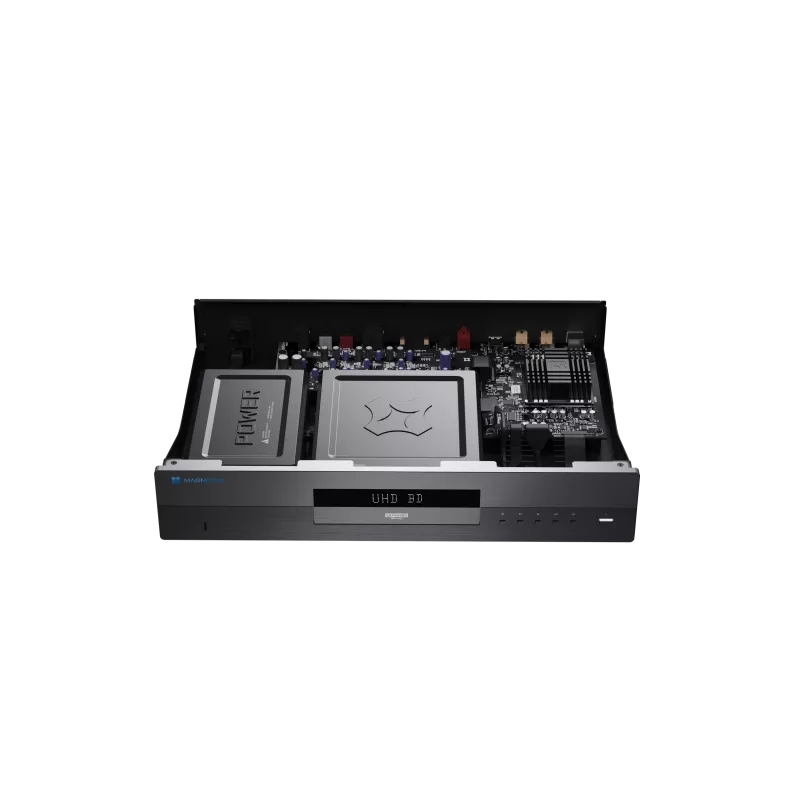
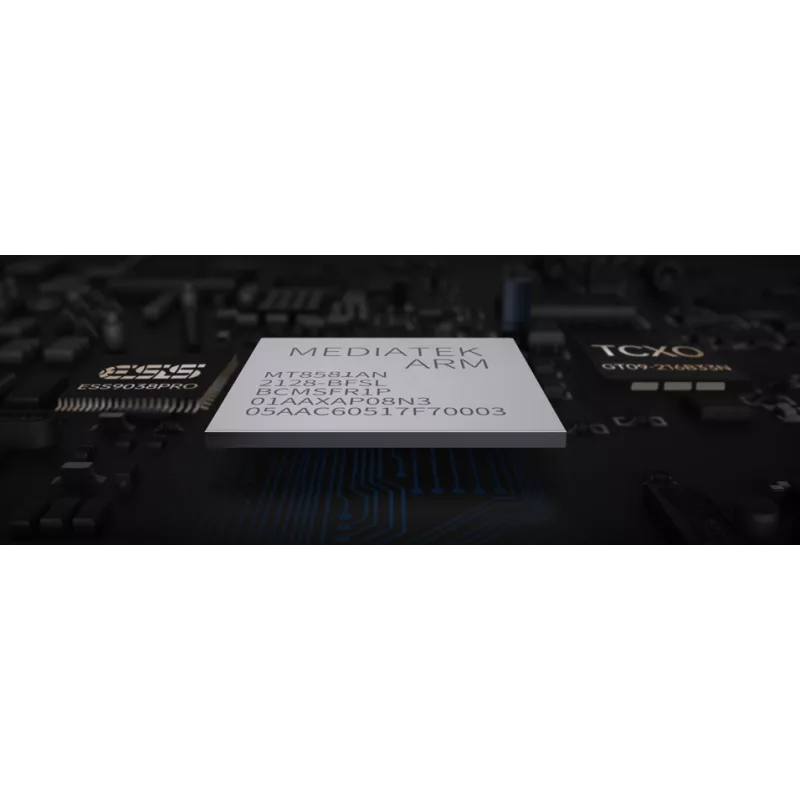
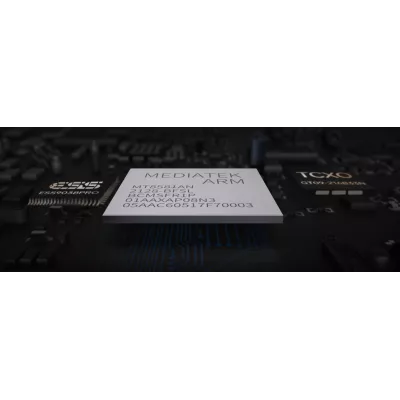
The audio stage is built around two ESS SABRE converters: an ES9038PRO dedicated to the balanced XLR and RCA stereo output, and an ES9028PRO for the 7.1 analogue RCA output. An XMOS USB Audio input completes the digital side. The four-layer audio boards isolate the wiring of each channel and pair WIMA, ELNA SILMIC II and NCC capacitors with a dedicated linear power supply. The stated signal-to-noise ratio reaches 130 dB on XLR, with distortion below 0.01 %.
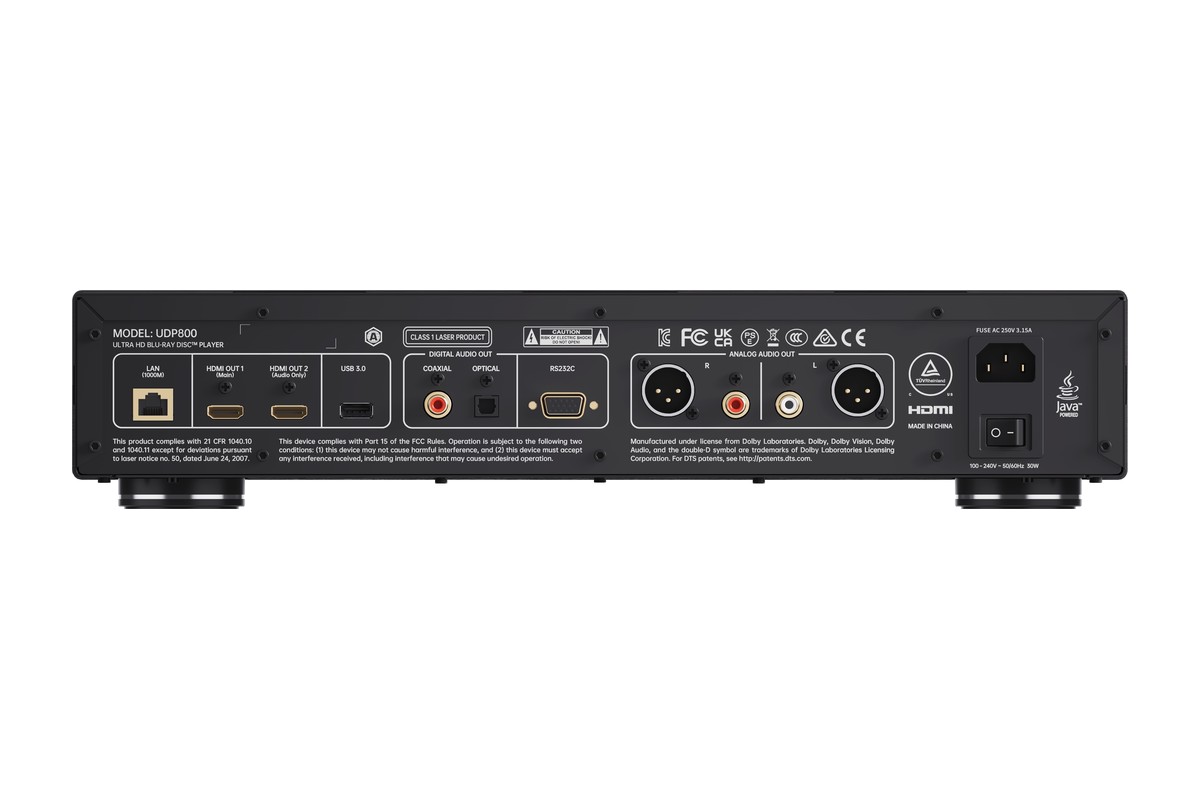
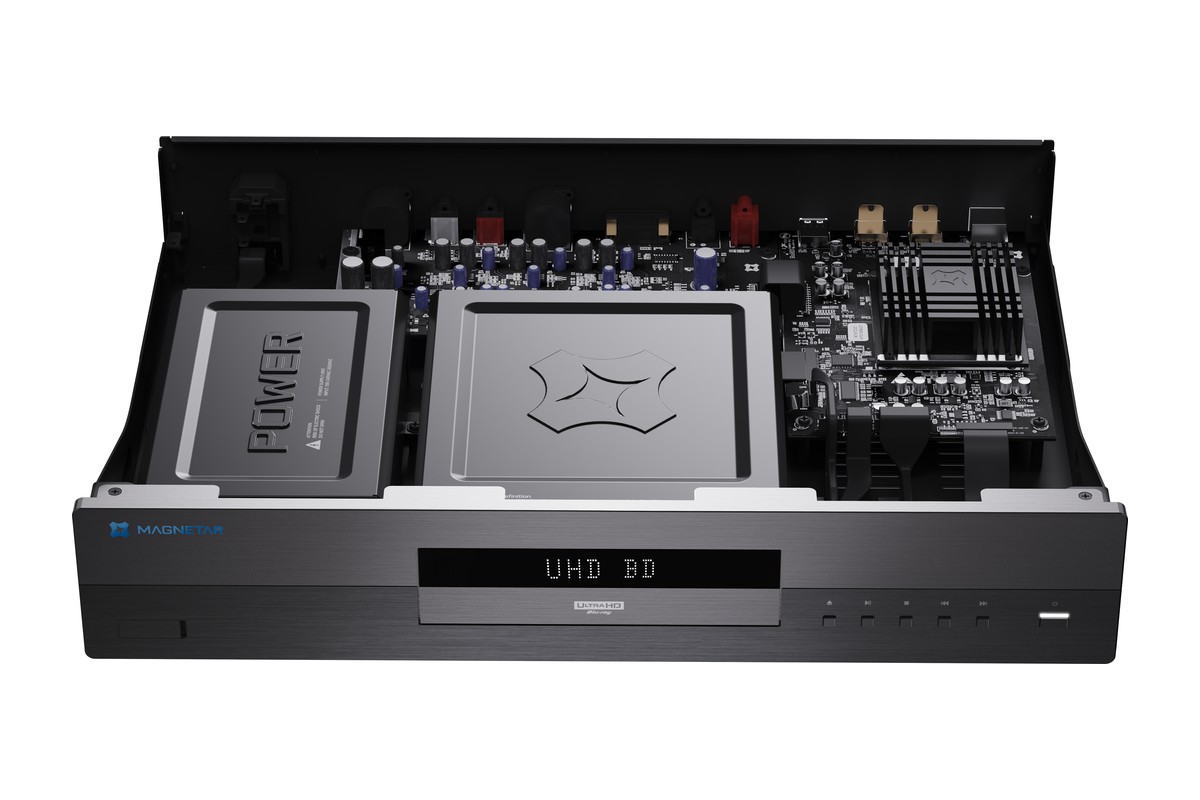
The UDP900 relies on a six-layer gold-immersion main circuit board and a temperature-compensated TCXO crystal oscillator that limits phase noise. Its all-aluminium body and reinforced double-layer chassis, together with internal metal shielding of the components, reduce vibration and electromagnetic interference. A dual power supply devotes a 60 W toroidal transformer to the analogue section alone, with oxygen-free copper and epoxy filling.
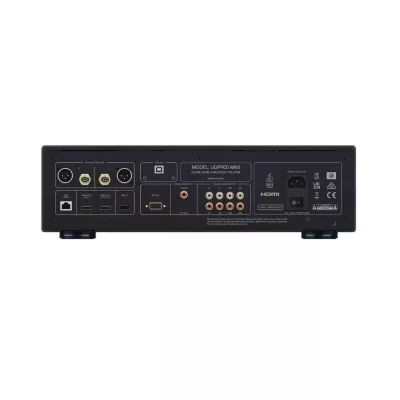
For connections, the player offers a 7.1 analogue output on RCA, a stereo output on RCA and balanced XLR, plus optical, coaxial and HDMI digital outputs. The dual HDMI output separates the video stream from the audio stream to preserve signal quality. HDMI audio reaches 7.1 channels in 192 kHz PCM and 5.1 channels in DSD, with bitstream transmission. The unit accepts 110-240 V mains and draws under 40 W in operation.
Data sheet
Specific References
This website uses cookies to ensure you get the best experience on our website